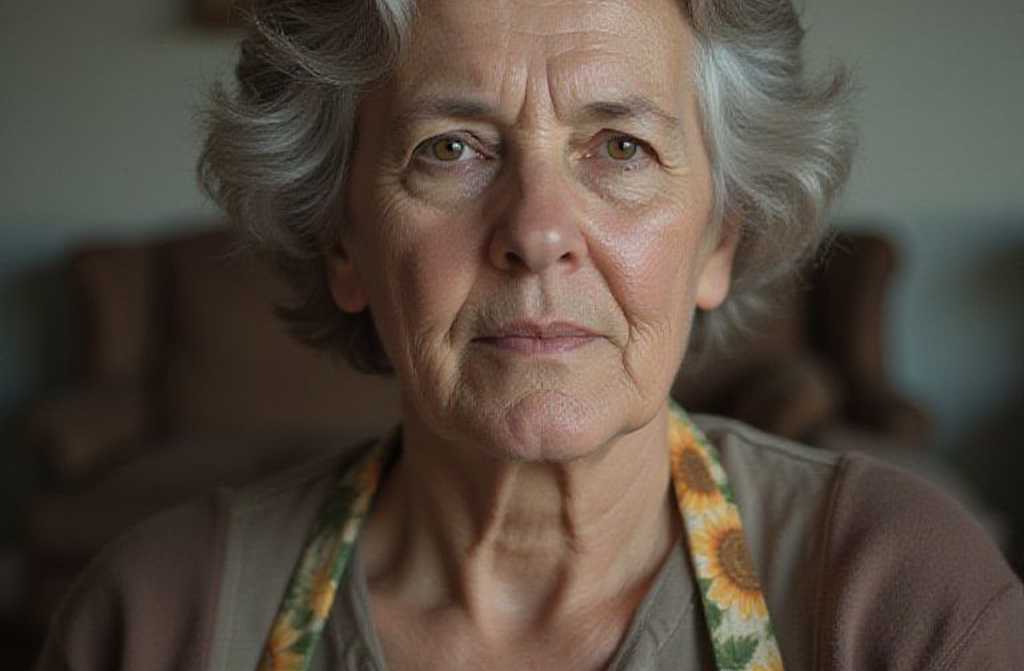
For two weeks Molly had hissed and scratched, keeping her owner away from the old settee. Valerie had nearly made up her mind to give the cat away. But when the neighbour helped move the furniture, what lay behind explained everything.
Molly had never been mean. Yet she allowed no one near the old settee in the living room, and for a fortnight Valerie could not understand why.
It started with a small thing. Morning, the kitchen, the smell of brewed tea and burnt toast. Valerie finished her cup, wiped her hands on her apron patterned with sunflowers, and went to dust the furniture. She reached for the armrest.
The cat arched her back and hissed so fiercely that Valerie jumped back and knocked her elbow against the floor lamp. In three years together they had been through much: purring in the mornings, demanding yowls before feeding time, and sulky silence after the vet. But she had never heard a hiss before.
Then the cat grew noticeably heavier. Her sides rounded, her walk became heavy and cautious. Valerie thought she had overfed her. She cut down the portions, tipping the extra back into the rustling foil bag. It did not help. Molly began carrying bits of food from her bowl somewhere behind the settee, and one day Valerie found a dried piece of chicken covered in dust by the leg.
The corner smelled odd: sour, warm, alive. Valerie knelt down and tried to peer into the gap between the wall and the back of the settee. Molly shot across without a sound, without warning. She stood in front of the gap and stared with yellow eyes as if the most precious thing in the world lay behind her.
Two thin scratches remained on the back of Valerie’s hand.
Her daughter phoned that evening, as usual, in a hurry.
“Mum, what’s happening with the cat?”
“She hisses. She scratched my hand. I can’t get near the settee.”
Susan sighed. In the receiver Valerie heard heels clicking on pavement, a car horn, a rustling shopping bag.
“I told you. Give her away before she scratches your face. There are groups online, they rehome them fast.”
Valerie was silent. Her fingers gripped the edge of the tablecloth so hard the fabric pleated.
“Mum? Are you listening?”
“Yes.”
“You don’t need all this. Alone with that cat… Why don’t you come and stay with me?”
She put the phone down on the table. In the hallway Molly sat by the living-room door, her tail wrapped around her front paws, back straight. Like a sentry. And in all those two weeks she had never left that spot for long: she even ate faster than usual, as if she was in a hurry to return.
After the conversation Valerie opened her phone and typed what her daughter had said. The groups appeared straight away. Photos of cats, captions: “friendly”, “litter trained”, “looking for a home”. She scrolled for a minute. Then she put the phone face down, and her throat went dry.
Before bed she went to the room. Molly lay by the settee, licking her paw slowly, thoroughly, as if preparing for something important. Valerie sat on the threshold.
“Molly. What are you hiding in there?”
The cat lifted her head, blinked, and went back to licking.
That night Valerie could not sleep. From the other room came rustling, then silence, then rustling again. Once, through the quiet, a thin sound slipped through, like a squeak. Valerie froze and listened. It did not repeat.
She got up and walked to the door barefoot. The floor was icy; cold draught crept under the skirting board. The streetlamp outside threw yellow stripes through the net curtain, and in that uneven light Valerie saw: Molly was not lying on her bed. She was pressed against the wall right by the settee. Her belly rose and fell evenly.
The cat did not hiss. She lay and looked at Valerie through the strip of lamplight.
Valerie went back to the bedroom. On the bedside table stood a photograph of her husband in a frame made of shells they had once brought from the seaside. Victor was smiling. And Valerie thought: he would not have given the cat away. He would have moved the settee first.
In the morning she called Geoffrey from the flat downstairs. The neighbour had the sort of hands that could lift a wardrobe or fix a tap. He did not ask unnecessary questions.
“The settee?” he repeated. “Where do you want it moved?”
“Away from the wall. I need to see what’s behind it.”
He came ten minutes later, in a checked shirt and slippers without socks. His wife Tammy peered in behind him, unable to resist.
When she saw strangers, Molly hid under the kitchen table. Valerie noticed: the cat did not run into the living room as she always did. She stayed in the kitchen. Her pupils were so wide that hardly any yellow showed in her eyes, and her paws stepped uneasily on the cold tiles.
Geoffrey took one end. Valerie took the other. The legs screeched across the parquet, a long, sharp sound that filled the flat up to the ceiling. The settee moved heavily, old and swollen with age. Dust rose in a column and swirled in the morning sunlight.
Tammy gasped first.
In the corner, on an old woollen scarf that Valerie had lost back in October, lay the kittens. Four of them. Tiny, blind, with flattened ears and pink paw pads so soft they could have fitted on a fingernail. They wriggled, opening toothless mouths, and from them came the smell of milk, warm and thick. Valerie’s throat tightened.
She dropped to her knees right on the dusty parquet. Her hands shook. She reached her fingers towards the ginger kitten with a white star on its forehead, and it pushed its nose into her palm. Her palm was cold, and the kitten was like a little stove.
“There’s your mean cat,” Geoffrey breathed, squatting down beside her.
Tammy turned to the kitchen. Molly stood in the doorway and did not move. She was not looking at the people. She was looking at the kittens.
Then Valerie understood everything at once. The hissing and the food behind the settee, the swollen belly and the sleepless nights by the wall when she had thought the cat was just being difficult. And the scarf. That same woollen scarf from the hall that Valerie used to wrap around her knees in the evenings. Molly had taken it herself, spread it in the corner and made a nest.
The cat walked over slowly, on soft paws. She sniffed Valerie’s hand, poked her nose into her fingers. Then she lay down beside the kittens, drawing them towards her one by one.
Tammy quietly left and came back with a saucer of warm water. She put it on the floor without a word. Geoffrey straightened up, looked down at Valerie, and also said nothing. There was nothing to say; everything already lay on the scarf.
That evening Susan called again.
“Well, Mum? Have you thought about the cat?”
“I have,” said Valerie. Her voice was different, calm and warm, like the scarf that had turned up in the most unexpected place. “There are five of them now.”
Silence hung on the line. Then her daughter laughed, short and bewildered, and for the first time in two weeks Valerie smiled.
And Molly lay on the scarf, and the four blind kittens searched for her with their noses in the dark, bumping into her warm side. She did not purr. She breathed evenly and deeply.
That was enough.
Valerie closed the living-room door, but not all the way. She left a gap.
Molly needed to come out.